


What is Hajj?
Hajj is the pilgrimage to Makkah and fifth pillar of Islam. Every Muslim who is physically and financially capable must make this journey at least once in their lifetime.
Main rituals run during Dhul Hijjah, from the 8th through the 12th or 13th. Hajj 2026 is expected to fall in late May, though final dates depend on the official moon sighting by Saudi Arabia's Supreme Court. Around two million pilgrims from countries across the world will converge on the same holy sites, dressed in simple garments, standing equal before God. Whoever performs Hajj without committing obscenity or transgression returns as sinless as a newborn. That is what the Prophet (PBUH) said.
Registration for Hajj 2026 goes through the Nusuk Hajj platform, and hajj packages sell out months in advance. Saudi Arabia allocates country-specific quotas each year. Pilgrims from the USA, Europe, and dozens of other countries apply through licensed travel operators. Plan early. Waiting too long means missing the window. Muslims who have the means should not delay.
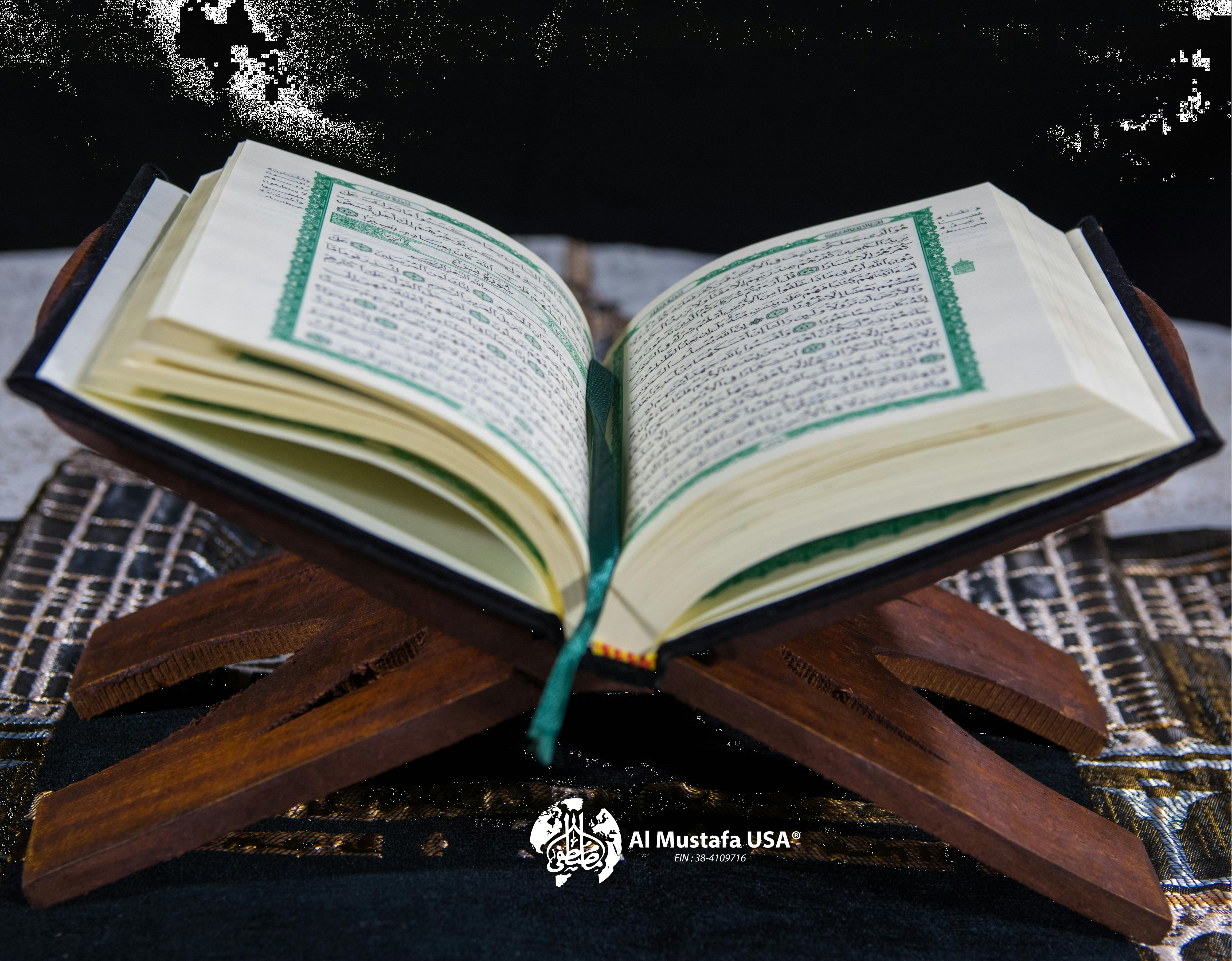
IMPORTANCE OF HAJJ IN ISLAM
This sacred journey traces back to Prophet Ibrahim (AS), his wife Hajara, and their son Ismail (AS). Every ritual retraces their steps. Circling the House. Sa'i between Safa and Marwa, where Hajar ran searching for water. Offering at Mina, echoing Ibrahim's willingness to give up his son.
Sins get forgiven through Hajj. Faith gets renewed. A pilgrim returns different from the person who left. Spiritual benefits of Hajj are documented extensively in hadith, and most Muslims who have completed the Hajj journey describe it as the single most defining experience of their life. Some struggle to even put it into words.
Preparation involves spiritual readiness, physical conditioning, and practical planning. Pilgrims walk between 5 and 15 kilometres daily, often in high temperatures exceeding 45 degrees. Health cannot be ignored. Those with high blood pressure or chronic conditions should consult a physician before departure and carry a medical report listing medications and dosages. Vaccinations are mandatory: Meningococcal (ACYW) must be administered at least 10 days before arrival in Saudi Arabia. Security at the holy sites is managed by Saudi authorities, and pilgrims should follow all official instructions.
On the spiritual side, settle debts, reconcile with anyone you have wronged, and write a wasiyyah before you leave. This hajj journey demands readiness in every dimension. It is an act of repentance and worship, not a holiday. Pilgrims who also plan to perform Umrah before or after Hajj 2026 should factor that into their timeline.
Hajj packages vary widely. Budget packages cover basic accommodation and transport. Premium ones offer closer proximity to the Haram, air-conditioned tents in Mina, and guided services throughout. Compare packages from multiple licensed operators, check what accommodation is included for Mina and Arafat nights, and confirm what services come with each tier. Plan for two to three weeks including travel. First-time pilgrims should look for packages that include ritual guidance.


Types of Hajj
Before entering Ihram, every pilgrim chooses one of three types. Which one you pick determines your rituals and whether an offering is required.
Hajj al-Tamattu is what most pilgrims from outside Saudi Arabia go with. You perform Umrah first, exit Ihram, then re-enter Ihram on the 8th of Dhul Hijjah. An animal offering is required. Prophet Ibrahim's (PBUH) recommended this form for those coming from long journeys.
Hajj al-Qiran combines Umrah and Hajj under a single Ihram. You do not exit Ihram between them. Also requires an offering. His wife Aisha (RA) narrated details of this form extensively.
Hajj al-Ifrad means entering Ihram for Hajj only, without Umrah. No offering obligated. Simplest of the three.
Hajj and Umrah are not interchangeable. Hajj takes place during fixed dates in Dhul Hijjah with extensive rituals including standing at Arafat, staying in Mina, and stoning. Umrah can be done any time throughout the year and consists primarily of circling the House and Sa'i. Lots of pilgrims perform Umrah before or after their Hajj. One is a pillar. One is voluntary but strongly encouraged.
ZAKAT APPLICABLE PROJECTS
Step-by-Step Hajj Guide
Entering Ihram
How to perform Hajj step by step starts here. Ihram is both a physical state and a spiritual one. Before reaching the Miqat boundary, you bathe, put on Ihram garments (two unstitched white cloths for men; modest clothes for women), and make niyyah. Certain actions become prohibited: cutting hair or nails, applying perfume, covering the head (men), marital relations.
Ihram rules for Hajj are strict. Restrictions strip away markers of wealth and status. Talbiyah begins and should be recited frequently throughout the journey. These rituals of purification set the tone.
Tawaf al-Qudum
Reaching Makkah, the pilgrim performs the welcoming circumambulation. Seven circuits around the Kaaba, starting from the Black Stone, anticlockwise. Men walk briskly during the first three. Two rakats behind Maqam Ibrahim afterward. Then Zamzam.
Sa'i follows. Walking between Safa and Marwa seven times, remembering how Hajar, the wife of Prophet Ibrahim, ran searching for water until Allah answered her with Zamzam. This pilgrimage ritual connects every pilgrim to her story.
Day of Arafah (9th Dhul Hijjah)
Heart of Hajj. Prophet (PBUH) said it plainly: Hajj is Arafat.
Morning of the 9th, pilgrims travel from Mina to the plain of Arafat. Dhuhr and Asr prayers combined and shortened. Then from midday until sunset, you stand on Arafat in prayer, supplication, remembrance of Allah. Scholars consider this the most accepted window for dua in the entire year. Personal prayers, prayers for family, for the ummah. Some pilgrims plan their dua lists weeks ahead. Others just speak from wherever they are in that moment. Both valid.
Missing this day invalidates Hajj entirely. Do not leave Arafat before sunset.
Muzdalifah Stay
After sunset on the 9th, pilgrims make the journey to Muzdalifah. Maghrib and Isha prayers combined there. Night spent under the open sky, remembering Allah. No tents. No walls. Earth and sky and millions of people on the ground. Before dawn, collect small pebbles for stoning. Elderly pilgrims may leave Muzdalifah after midnight.
Rami al-Jamarat
10th of Dhul Hijjah. Pilgrims return to Mina. Yawm al-Nahr, Day of Offering. First act: stoning the largest pillar (Jamarat al-Aqabah) with seven pebbles. Allahu Akbar with each throw. Talbiyah stops before the first pebble gets cast.
11th and 12th (optionally 13th), all three pillars stoned in order, seven pebbles each. Sequence cannot be changed. Stoning out of order invalidates the ritual for that day. Pilgrims spend these days in Mina, and the nights should be spent there too.
Qurbani (Sacrifice)
After stoning on the 10th, Qurbani happens. Sheep, goat, cow, or camel offered in the name of Allah.
Significance. Connects directly back to Prophet Ibrahim, who was prepared to give up his son before Allah replaced Ismail with a ram. Every pilgrim doing Hajj al-Tamattu or al-Qiran carries this obligation. Lots of pilgrims have the sacrifice arranged through their hajj packages.
Sunnah method. Animal laid gently on its left side, facing the Qibla. Sharp knife. Bismillahi Allahu Akbar recited. Meat distributed in portions: for the pilgrim, for others, for the poor.
Halq or Taqsir (Shaving or Trimming Hair)
After the offering, men either shave completely (Halq) or trim short (Taqsir). Women cut a fingertip's length. With this, most Ihram restrictions lift. Normal clothes and perfume permitted again. Marital relations still prohibited until Tawaf al-Ifadah.
Tawaf al-Ifadah Final Major Tawaf
Pillar of Hajj. Cannot be skipped. Pilgrim returns to Makkah or Mecca and does seven circuits, then Sa'i. All restrictions fully lifted after.
Area during these days is extremely congested. Humility and patience carry you. Late night hours tend to be quieter.
Last act before leaving: farewell circumambulation. Pilgrims do this as their final ritual in Mecca, marking the completion of the entire pilgrimage. You may perform Hajj once in a lifetime or come back if Allah wills it. Either way, the farewell hits different.
Essential Duas for Hajj
Hajj duas list is not as rigid as people assume. No mandated supplication for every single circuit. Sincerity is what counts. Same duas apply during Umrah too. But certain supplications carry particular weight during Hajj specifically.
Talbiyah: Labbayka Allahumma labbayk. Labbayka la shareeka laka labbayk. Inna al-hamda wa n-ni'mata laka wal-mulk. La shareeka lak. (Here I am, O Allah, here I am. You have no partner. All praise, favour, and sovereignty belong to You.) Recited from Ihram until the first pebble is thrown at Mina.
Dua for Tawaf: Between the Yemeni corner and the Black Stone, the Prophet (PBUH) would recite: Rabbana atina fi-dunya hasanatan wa fil akhirati hasanatan wa qina adhab an-nar. (Our Lord, grant us good in this world and hereafter, and protect us from the Fire.) Personal dua encouraged throughout.
Dua at Arafat: Best supplication on the Day of Arafat according to the Prophet (PBUH): La ilaha illallahu wahdahu la shareeka lahu, lahul-mulku wa lahul-hamdu wa huwa ala kulli shayin qadeer. (There is no god but Allah alone, without partner. His is the dominion, the praise, and He has power over all things.) Repeat as often as your heart allows. Allah rewards the sincerity, not the count.
General supplications: Ask for whatever you need. Family. Forgiveness. Clarity. World. No restriction on language. Your own words in your own tongue are accepted.
Common Mistakes to Avoid During Hajj
Ignoring Ihram rules. Perfume, covering the head (men), cutting nails. Seem minor. Carry consequences. Ihram rules for Hajj create total spiritual focus. Breaking them requires expiation.
Skipping sunnah acts. Brisk walking in the first three circuits. Zamzam after prayer. Constant Talbiyah. Pilgrims overlook these through exhaustion. Learning hajj rituals explained in advance helps.
Poor time management. Leaving Arafat before sunset is one of the most serious errors possible. Delaying the final circumambulation until the last hour and getting stuck in crowded areas. Being aware of time during Hajj is itself a form of worship.
Lack of patience. Millions of people in extreme heat, covering kilometres daily, sleeping on floors, waiting in lines that go nowhere. Losing your temper, pushing. Arguing during Hajj is specifically prohibited. Night hours are often the hardest, when exhaustion and health concerns stack up. These are among the hajj mistakes to avoid that nobody talks about until they are already there.
Spiritual Benefits of Hajj
Forgiveness of sins. A pilgrim who completes Hajj without obscenity returns as sinless as the day they were born. Hajj 2026 carries the same promise every Hajj has carried. Full reset.
Strengthening faith. Standing on Arafat among millions, everyone calling out to the same God, asking for mercy. Faith stops being abstract and becomes something physical in your chest. Lots of Muslims come back saying their deen was not fully real to them before Hajj. The sacrifice of comfort, the walking, the heat, the waiting. All of it builds something words alone cannot.
Unity of the ummah. Every distinction erased. Rich and poor. Doctor and farmer. Pilgrims from dozens of countries shoulder to shoulder. Largest annual gathering of human beings on earth, built around equality before Allah. Malcolm X wrote about this after his own pilgrimage, how seeing Muslims of all races worshipping together changed his worldview.
Personal transformation. Nobody comes back the same. Priorities shift. Grudges get dropped. Prayer mats that gathered dust get used again. This sacred journey recalibrates what a person considers important for a lifetime. Grudges you held for years suddenly seem absurd. Spending habits get questioned. If you protect that shift, it stays.

FAQs
- What are the main steps of Hajj?
-
Hajj is a sacred pilgrimage that allows Muslims to strengthen their relationship with Allah through worship, prayer, and obedience. It reminds believers of unity, equality, and the legacy of Prophet Ibrahim (AS). Every ritual of Hajj teaches patience, sacrifice, and complete submission to the will of Allah. For many Muslims, the journey becomes a life-changing spiritual experience that renews faith and encourages a stronger commitment to Islamic values.
- How long does Hajj take to complete?
-
The main rituals of Hajj are completed over five days during the Islamic month of Dhul Hijjah. However, most pilgrims travel for a longer period to prepare spiritually and physically before beginning the pilgrimage in Makkah. During Hajj, Muslims perform Tawaf around the Kaaba, stand at Arafat, stay in Muzdalifah, and complete the symbolic stoning at Jamarat. Each step carries deep religious significance and follows the Sunnah of Prophet Muhammad ﷺ.
- Who is required to perform Hajj?
-
Hajj is compulsory once in a lifetime for every adult Muslim who is physically fit and financially capable of making the journey. A person should have enough resources to support their family and cover travel expenses without hardship. Muslims who are unable to perform Hajj due to illness, old age, or financial difficulty are not held accountable until they become capable. This pillar of Islam highlights both devotion to Allah and the importance of sincere intention in worship.
- Why is Qurbani connected to Hajj?
-
Qurbani and Hajj are closely connected through the story of Prophet Ibrahim (AS) and his unwavering obedience to Allah. During the days of Hajj, pilgrims complete the act of sacrifice as part of their pilgrimage, while Muslims around the world also offer Qurbani during Eid ul Adha. This sacred act commemorates the devotion, sacrifice, and faith shown by Prophet Ibrahim (AS). Today, many Muslims choose to donate Qurbani online to provide fresh meat to vulnerable families and fulfil this important Islamic obligation during Dhul Hijjah.