This Ramadan, families around the world are waiting: not for comfort or luxury, but simply to survive.
When you pay Zakat, you’re not just giving charity. You’re fulfilling a sacred obligation and standing with people at their most vulnerable moments. Your Zakat restores dignity, eases hardship, and becomes a lifeline for families who depend on it to make it through Ramadan.
Zakat is not a transaction, it’s transformation. It’s mercy that flows through your wealth to lift others out of hardship. This Ramadan, your Zakat doesn’t stay still, it moves, bringing hope, healing, and light to those who need it most.
Give Zakat and saves lives.
Zakat is the third pillar of Islam, also known as Zakat al mal: a compulsory act of worship in Islam. ‘Abdullah ibn ‘Umar (RA) reported that the Messenger of Allah (S.A.W.W) said: "Islam is built on five: testifying that there is no god but Allah and that Muhammad is His slave and Messenger, establishing prayer, giving Zakah, performing Hajj to the (Sacred) House, and fasting Ramadān." reported in both Sahih Bukhari and Sahih Muslim. Its the third pillar of Islam, also known as Zakat al mal: a compulsory act of worship in Islam.
The literal meaning of Zakat is purification and growth. By paying Zakat:
Zakat al mal is not generosity, it is obedience. And when fulfilled sincerely, it brings barakah into both wealth and life. Namaz connects you to Allah and Zakat connects you to humanity. Neglecting Zakat weakens the social fabric of the Ummah, while fulfilling it strengthens compassion, justice, and mutual responsibility. The Quran repeatedly commands believers to establish prayer and give Zakat, highlighting its central role in Islam. Allah says:
خُذْ مِنْ أَمْوَالِهِمْ صَدَقَةً تُطَهِّرُهُمْ وَتُزَكِّيهِم بِهَا وَصَلِّ عَلَيْهِمْ ۖ إِنَّ صَلَاتَكَ سَكَنٌ لَّهُمْ ۗ وَاللَّهُ سَمِيعٌ عَلِيمٌ"
Take, [O, Muhammad], from their wealth a charity by which you purify them and cause them increase, and invoke [Allah ‘s blessings] upon them. Indeed, your invocations are reassurance for them. And Allah is Hearing and Knowing. Surah At-Taubah Ayat 103 (9:103 Quran)
The Prophet Muhammad ﷺ ensured that Zakat was distributed only to those eligible, according to clear Islamic rulings — a principle Al Mustafa USA strictly follows today.
In simple terms, Zakat becomes obligatory when a Muslim owns wealth that is above the Nisab threshold and that amount remains in their possession for one full lunar year. This wealth must also be extra, meaning it is beyond everyday living expenses such as housing, food, and essential bills.
If these conditions apply to you, then Zakat is not optional, it is due. Delaying Zakat without a valid reason means holding back a right that Allah has given to those in need. Distributing zakat on time ensures your wealth is purified and your obligation is fulfilled correctly.
Many people make common mistakes while calculating Zakat, such as overlooking savings accounts or confusing Zakat with voluntary charity (Sadaqah). To avoid errors and ensure accuracy, use our Zakat Calculator for the year 2025–2026 and fulfil your obligation with confidence. Zakat is generally paid at 2.5% on eligible assets, including:
Business assets and investments
Calculate your Zakat correctly and in accordance with Shariah principles.
At Al Mustafa USA, we do not limit our efforts to short-term relief. While emergency support is vital, our mission goes further — to build sustainable communities where families can regain dignity, stability, and hope.
Registered nonprofit organisation in the USA
Strict 100% Zakat distribution policy
Decades of humanitarian experience (since 1983 globally)
Transparent project reporting
Secure online payment system
Serving vulnerable communities across multiple regions
Your Zakat is allocated to carefully structured projects that directly serve individuals who qualify under the Islamic categories of the poor and needy, ensuring both immediate relief and long-term transformation.
Water For Life: Providing sustainable clean water solutions to vulnerable communities suffering from water scarcity and waterborne diseases.
Feed One Million: Delivering large-scale food distribution programs to families facing hunger and extreme poverty.
Winter Appeal: Providing winter kits, warm clothing, and heating support to families struggling during harsh weather conditions.
Orphan Sponsorship Program: Providing long-term support including food, education, healthcare, and daily essentials for orphaned children from Zakat-eligible families.
Sponsor a Hafiz: Supporting students committed to memorizing the Qur’an by covering their essential educational and living expenses.
Build a School: Investing in educational infrastructure to provide underprivileged children access to quality learning environments.
Cataract Surgeries: Restoring sight to vulnerable patients who cannot afford medical treatment.
Al Mustafa Eye Hospitals: Establishing specialized eye care facilities to provide long-term, sustainable healthcare access.
Gaza Emergency Relief: Providing urgent food, medical aid, and survival assistance during times of crisis.
Yemen Emergency Relief: Supporting families affected by conflict and food insecurity.
Sudan Emergency Appeal: Delivering emergency assistance to communities facing displacement and humanitarian crisis.
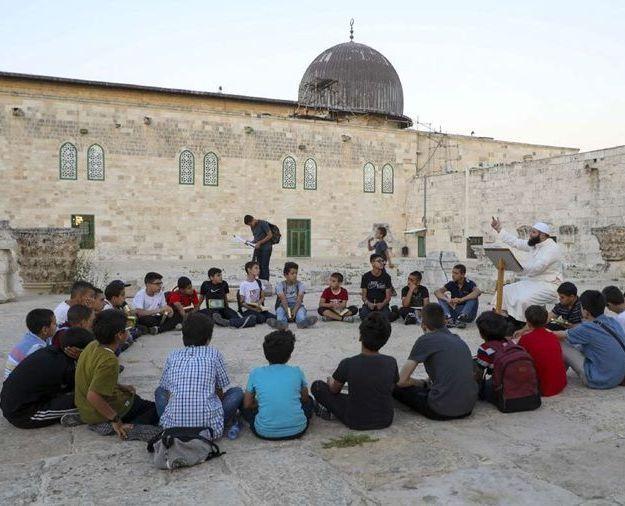
Al Aqsa Project: Supporting preservation and assistance initiatives connected to Al Aqsa.
The Freedom Campaign: Providing support to individuals and families facing hardship and injustice.
When a person's wealth reaches the nisab amount and can be paid anytime during the year.
You can set up a regular monthly payment like a direct debit if you wish to pay your zakat in smaller instalments. If you choose to pay your zakat with Al Mustafa USA, certain campaigns and sponsorships are zakat-eligible so you can spread the rewards of your generosity throughout the year.
Zakat becomes due once your wealth reaches the Nisab threshold and remains above it for one lunar year. You can pay Zakat as soon as it becomes obligatory. Many Muslims prefer paying during Ramadan due to increased spiritual rewards, but it is valid to pay at any time once it is due.
To calculate Zakat: add all your Zakat eligible assets such as cash savings, gold, silver, investments, business stock, rental income, and receivables. Then subtract short term debts and essential expenses. If the remaining amount is above the Nisab threshold, you pay two point five percent of that amount as Zakat. Many Islamic charities, including Al Mustafa USA, provide an online Zakat calculator to simplify this process.
Once calculated, you can pay your Zakat securely through their website. Al Mustafa USA ensures that 100% of Zakat funds are distributed directly to eligible recipients according to Qur’anic guidelines. This allows donors in the United States to fulfill their obligation conveniently, securely, and in compliance with Islamic principles.
No. Al Mustafa USA does not deduct any fees from Zakat funds. One hundred percent of your Zakat is delivered to those who are eligible to receive it, in full compliance with Islamic principles.
Al Mustafa Welfare Trust USA follows a strict 100% Zakat Policy. This means every single dollar of Zakat is distributed directly to eligible beneficiaries, with no administrative or operational deductions.
Zakat can be given to certain family members if they are genuinely eligible (poor and below the Nisab threshold), such as siblings, cousins, aunts, and uncles. However, you cannot give Zakat to your parents, grandparents, children, grandchildren, or spouse, as you are already financially responsible for them. It is important to ensure the recipient qualifies under the categories mentioned in the Qur’an (9:60).
Several Islamic nonprofits operate in the United States, but donors seeking a structured 100% Zakat policy may consider Al Mustafa USA. The organization supports orphaned children from Zakat-eligible families by providing food, education support, healthcare, and essential living assistance.
All Zakat funds are distributed in compliance with Islamic guidelines, ensuring that support reaches children who qualify under the category of the poor and needy. Donors can sponsor or support vulnerable orphans securely online while fulfilling their religious obligation responsibly.
Your Zakat should be distributed to individuals who qualify under the eight categories mentioned in the Qur’an, including the poor and needy. Transparent organizations provide clarity on how funds are allocated.
At Al Mustafa USA, 100% of Zakat donations are directed to eligible recipients through emergency relief, medical care, orphan support, food distribution, and water projects. Donors receive reassurance that their contribution fulfills Islamic requirements while supporting vulnerable communities globally.
Several Islamic charities in the United States accept Zakat for emergency relief efforts, provided the funds are distributed to individuals who qualify under the Islamic categories of the poor and needy. Donors should look for organizations that clearly state their Zakat policy and ensure compliance with Qur’anic guidelines (Surah 9:60).
Al Mustafa USA accepts Zakat for Gaza emergency relief under a strict 100% Zakat policy, meaning every dollar of Zakat is allocated directly to eligible beneficiaries. Zakat funds support urgent needs such as food assistance, medical aid, and essential supplies for vulnerable families affected by crisis. Donors in the USA can give securely online while fulfilling their religious obligation responsibly.